The Twelve Jyotirlingas of Shiva: Where They Are, the Legend Behind Them and Where the Lists Disagree
The twelve Jyotirlingas are among the best known sacred places in India, and one of the most common subjects in quizzes. They are twelve temples of Shiva, spread across the country from Gujarat to Tamil Nadu and from the Himalayas to Andhra Pradesh, and a pilgrimage to all twelve is a lifelong ambition for many Hindus. This guide gives the list, the story of why they exist and a note on the places where the traditions disagree, which is where the good quiz questions are.
The meaning of the name
Jyotirlinga is a Sanskrit word made of jyoti, light or radiance, and linga, the sign or emblem of Shiva. A jyotirlinga is therefore a linga of light. Shiva is worshipped in the form of a linga in thousands of temples, but according to the tradition, the twelve Jyotirlingas are the places where he appeared as a pillar of fire.
The legend of the pillar of light
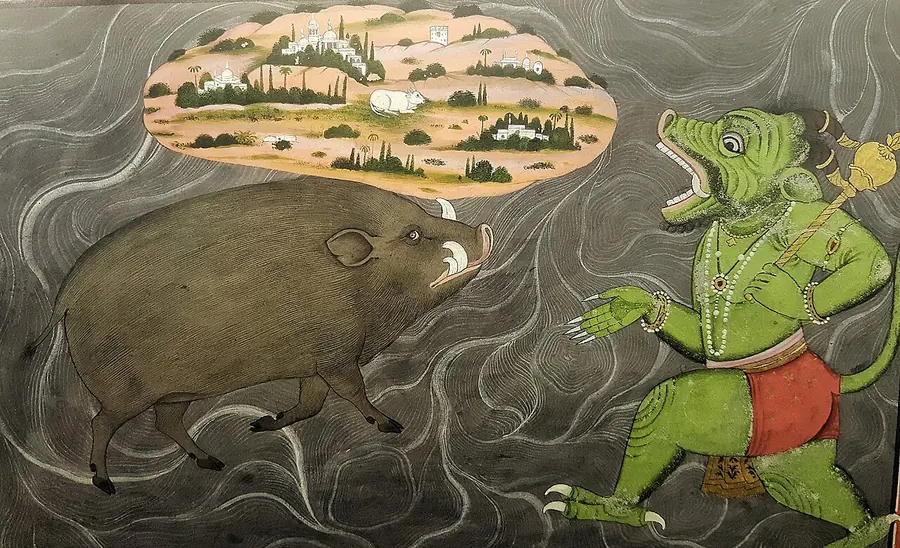
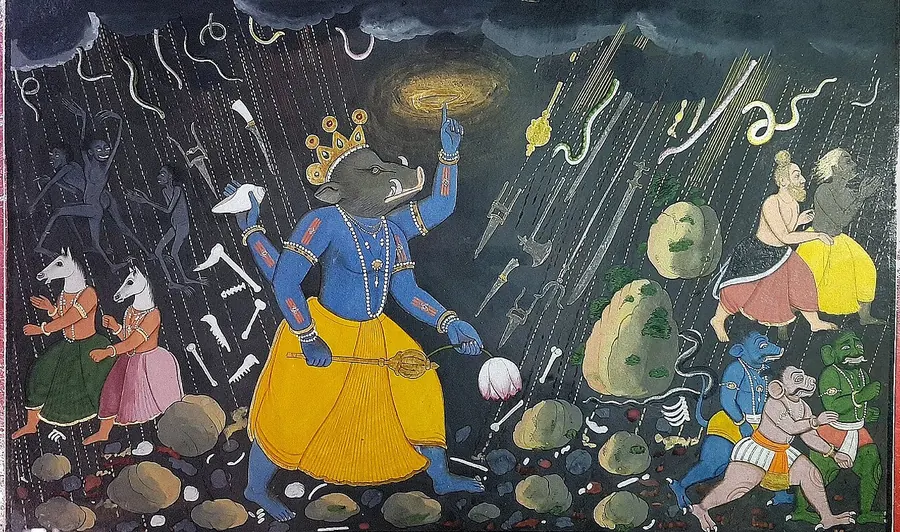
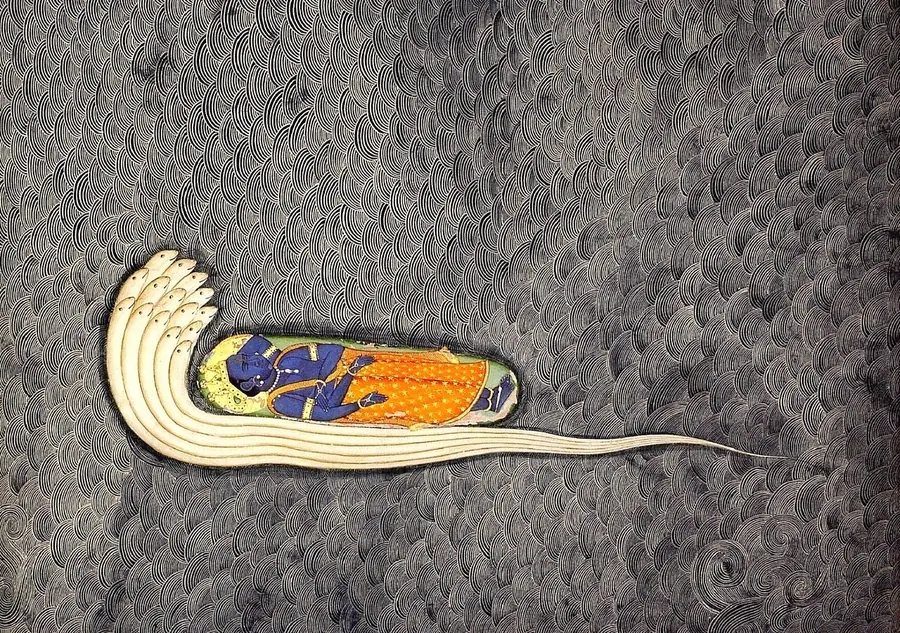
The Shiva Purana tells how Brahma and Vishnu once argued about which of them was the greater. To settle the matter, a vast pillar of fire appeared between them, so large that neither could see its top or bottom. Vishnu took the form of a boar and dug down to find its base. Brahma took the form of a swan and flew up to find its top. Vishnu returned after a long search and admitted that he could not find the end. Brahma claimed to have found it, and he told a lie, supported by a ketaki flower that was said to have fallen from the top. Shiva then appeared from the pillar, rebuked Brahma, and said that Brahma would not be worshipped in temples. The Jyotirlingas are said to be the places where that pillar of light is still present.
The twelve, with their places
- Somnath, at Prabhas Patan near Veraval, Gujarat, on the coast of the Arabian Sea. It is said to be the first, and it was rebuilt several times after being destroyed. The present temple was built after Independence.
- Mallikarjuna, at Srisailam, Andhra Pradesh, on a hill above the river Krishna. It is also one of the eighteen Shakti Peethas, which is unusual.
- Mahakaleshwar, at Ujjain, Madhya Pradesh, on the river Shipra. The linga here is said to be self-born and faces south, and the temple is known for the Bhasma Aarti at dawn.
- Omkareshwar, on an island in the Narmada in Madhya Pradesh, which is shaped like the sacred syllable Om.
- Kedarnath, in Uttarakhand, in the Himalayas at about 3,500 metres. It is the highest of the twelve and is open only for about six months of the year because of snow.
- Bhimashankar, near Pune in Maharashtra, in the Sahyadri hills, at the source of the river Bhima.
- Kashi Vishwanath, at Varanasi, Uttar Pradesh, on the Ganga. The city is often called one of the oldest continuously inhabited cities in the world, and the temple has been rebuilt many times.
- Trimbakeshwar, near Nashik in Maharashtra, at the source of the Godavari. The linga here is made of three small lingas, said to stand for Brahma, Vishnu and Shiva.
- Vaidyanath, traditionally at Deoghar in Jharkhand. Shiva is worshipped here as the lord of healing.
- Nageshwar, traditionally near Dwarka in Gujarat. Shiva is worshipped here as the lord of the serpents.
- Rameshwaram, on Pamban island in Tamil Nadu. It is said that Rama worshipped Shiva here before crossing to Lanka.
- Grishneshwar, near Ellora, Maharashtra. It is considered the last of the twelve.
Counting by state
Maharashtra has more of the twelve than any other state, with three: Bhimashankar, Trimbakeshwar and Grishneshwar, and more if one counts the claims for Vaidyanath and Nageshwar. Gujarat has two, Somnath and Nageshwar. Madhya Pradesh has two, Mahakaleshwar and Omkareshwar. Uttarakhand has Kedarnath, Uttar Pradesh has Kashi Vishwanath, Andhra Pradesh has Mallikarjuna, Jharkhand has Vaidyanath and Tamil Nadu has Rameshwaram.
Where the lists disagree
The twelve names themselves are agreed, because they are given in an old Sanskrit hymn, the Dvadasha Jyotirlinga Stotra, which is traditionally attributed to Adi Shankara. The verse begins with Saurashtre Somanatham, Somnath in Saurashtra, and goes on to name them one by one. But the hymn gives the places only by descriptions, and for three of them more than one temple claims the title.
- Vaidyanath. The hymn says Parlyam, which is read by some as Parli Vaijnath in Maharashtra, and by others as Baidyanath Dham in Deoghar, Jharkhand. A third claim is made by a temple in Baijnath in Himachal Pradesh. The Deoghar temple is the most visited.
- Nageshwar. The hymn says Darukavane, the forest of Daruka. Three temples claim the title: Nageshwar near Dwarka in Gujarat, Aundha Nagnath in Maharashtra, and Jageshwar in Uttarakhand.
- Bhimashankar. The hymn says Dakinyam. Most people identify it with the temple in the Sahyadri hills, but some argue for a site in Assam.
These are matters of tradition and local pride, and there is no authority that decides them. If a question needs a single answer, it will usually go with the best known: Deoghar, Dwarka and the Sahyadri. But it is useful to know that the disagreement exists.
A traveller's note
Many pilgrims follow a rough order, travelling in groups of two or three. A common circuit in the west and centre links Somnath, Nageshwar, Trimbakeshwar, Bhimashankar, Grishneshwar, Omkareshwar and Mahakaleshwar. The south has Mallikarjuna and Rameshwaram, the east has Vaidyanath, and the north has Kashi Vishwanath and Kedarnath. Several of them, especially Kedarnath, are on difficult terrain and are open only in some seasons, so it is wise to check conditions before going.
Why the list makes a good question
The twelve Jyotirlingas are a good example of a closed set with a clear top and bottom. Almost everyone can name Somnath, Kedarnath and Kashi Vishwanath. Many can name Rameshwaram and Mahakaleshwar. Far fewer remember Grishneshwar, Bhimashankar or Omkareshwar, and the one that people forget most often, in our experience, is Mallikarjuna at Srisailam. In a Paatal question, a player who names one of the later ones goes deeper than one who names the first three.
If you would like to try, the daily quiz is open every day at midnight, and the realm pages will tell you more about the old stories as you go.
Sources
- Shiva Purana, Koti Rudra Samhita, chapters 1 to 4 (the twelve Jyotirlingas) and the story of the pillar of light in the Vidyeshvara Samhita.
- The Dvadasha Jyotirlinga Stotra, attributed to Adi Shankara.
- Wikipedia, "Jyotirlinga".
Found a mistake? Please tell us at our contact page and we will correct the article and note the change.
Keep reading
King Bali and Sutala: The Generous Asura Who Gave Three Steps of Land
The story of Bali, the asura king who lost the three worlds to Vishnu as Vamana, was sent to rule the realm of Sutala, and is welcomed back every year at Onam and on Bali Pratipada.
Mahatala and the Serpents of Kadru: A Wager, a Curse and the Eagle Who Hunts Snakes
How a bet between two sisters, Kadru and Vinata, made the Nagas the enemies of Garuda, and what the Mahabharata tells us about Takshaka, Kaliya and the serpents of the fifth realm of Paatal Lok.
Maya, the Architect of the Asuras: Tripura, the Pandavas' Hall and the Realm of Talatala
Maya Danava, the great builder of Indian epics, built the flying cities of Tripura and the hall of the Pandavas at Indraprastha, and rules Talatala, the fourth realm of Paatal Lok.